Simple Ways to Make Your Patio More Comfortable and Inviting
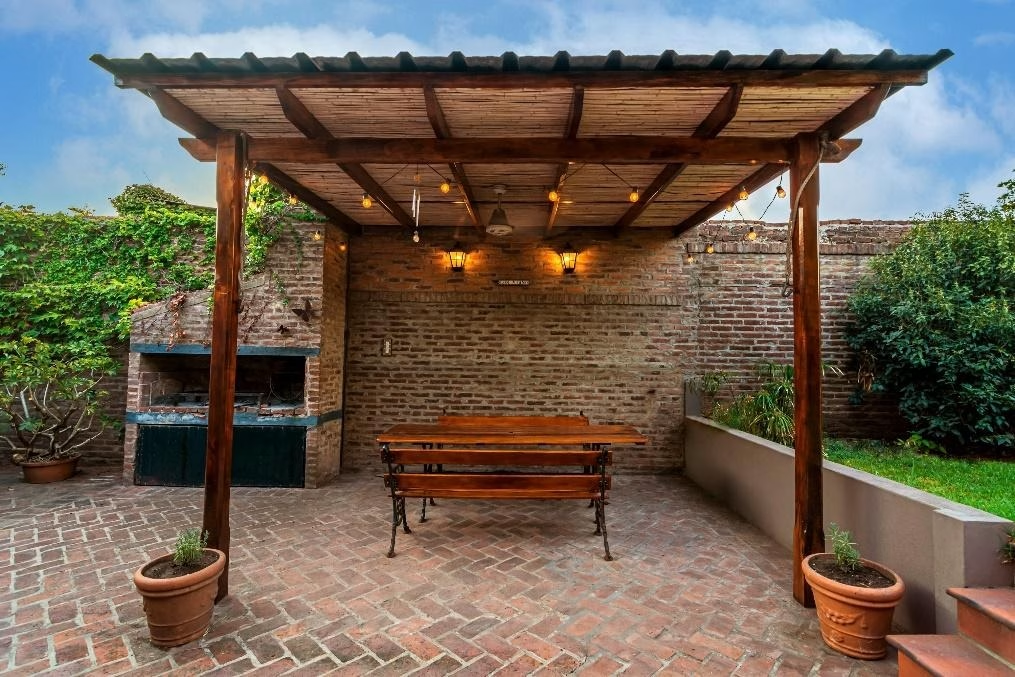
A patio can be so much more than just a slab of concrete behind your house. With the right touches, it becomes an extension of your living space, a place where you unwind after a long day, host friends on weekends, or simply enjoy your morning coffee in peace. The good news is that transforming your patio into a comfortable and inviting retreat does not require a massive renovation or a professional designer. A few thoughtful changes can make all the difference.
Setting the Foundation for a Relaxing Outdoor Space
Before you start buying furniture or hanging lights, it helps to think about what you actually want from your patio. Do you picture yourself lounging with a book? Hosting dinners? Playing with the kids? Once you have a clear idea, everything else falls into place more naturally.
One of the most impactful upgrades you can make is addressing shelter and shade. Sun and rain are the two biggest reasons people avoid spending time outdoors, and solving that problem opens up your patio for use throughout most of the year. Many homeowners have found that creating the perfect outdoor lounge with a custom patio cover completely changes how they use their backyard. A well-designed cover keeps the sun from beating down on you in the summer and offers protection during unexpected rain showers, which means your furniture and decor last longer, too.
Once you have shade sorted out, consider the flooring beneath your feet. If your patio is plain concrete, an outdoor rug can instantly warm up the space and make it feel more like a room. Look for rugs made from weather-resistant materials, so they hold up through the seasons without fading or growing mold.
Choosing Furniture That Actually Feels Good
This is where a lot of people go wrong. They pick patio furniture based on how it looks in the store without sitting in it for more than five seconds. Comfort should come first. If your chairs and sofas are not pleasant to sit in, nobody is going to spend time out there, no matter how beautiful the space looks.
Look for seating with thick, supportive cushions. Deep seats are great for lounging, while dining chairs should offer decent back support so people can linger over meals without getting stiff. If space allows, consider a mix of seating options. A small sofa paired with a couple of armchairs creates a conversational layout, while a bench or swing adds a more relaxed, casual vibe.
Materials matter as well. Frames made from aluminum or treated wood tend to handle outdoor conditions better than untreated metal, which can rust, or cheap plastic, which can crack and discolor over time. Cushion fabrics should be fade-resistant and easy to clean, because spills and pollen are just part of outdoor living.
Lighting That Sets the Right Mood
Overhead porch lights are functional, but they rarely create the kind of atmosphere that makes you want to stay outside after dark. The trick is to layer your lighting so the space feels warm and inviting rather than harsh.
String lights are one of the easiest and most effective options. Draped along a fence, wrapped around a pergola, or strung overhead between posts, they cast a soft glow that instantly makes any patio feel cozy. For table settings, lanterns or battery-operated candles add a flicker of warmth without the fire risk of real candles, especially if you have kids or pets.
Pathway lights or small solar-powered stake lights along the edges of the patio can help define the space and make it safer to walk around at night. The goal is not to flood the area with light but to create pockets of warmth that draw people in.
Adding Greenery and Natural Elements
Plants bring life to a patio in a way that nothing else can. Even if you do not have a green thumb, there are plenty of low-maintenance options that thrive outdoors with minimal attention.
Potted plants are the most flexible choice because you can rearrange them whenever you want. Group a few pots of varying heights near the entrance or along the edges to create a lush, layered look. Herbs like basil, rosemary, and mint pull double duty because they look great and you can use them in the kitchen.
Hanging planters work well in smaller patios where floor space is limited. They draw the eye upward and make the area feel larger. Trailing plants like ivy or string of pearls look particularly good spilling over the edges of a hanging pot.
Making It Personal with Accessories and Details
The small details are what take a patio from functional to truly inviting. Think of it the same way you would decorate a living room. Throw pillows in colors and patterns that reflect your style can tie the space together visually. Outdoor blankets draped over a chair invite people to grab one and settle in on cooler evenings.
A small water feature, even something as simple as a tabletop fountain, adds a soothing background sound that helps mask street noise and makes the space feel more peaceful. Wind chimes can do something similar, though placement matters, so they do not become overwhelming on a breezy day.
Keeping the Space Functional Year-Round
A truly comfortable patio is one you can enjoy in more than just perfect weather. Adding a few seasonal elements extends its usability and ensures you get the most out of the space.
For cooler months, a portable fire pit or an outdoor heater makes a significant difference. There is something about gathering around a fire that feels timeless and welcoming. Pair it with some warm throws, and you can comfortably sit outside well into the fall.
Storage is another practical consideration that people often overlook. A weather-resistant storage bench or a deck box keeps cushions, blankets, and other accessories protected when they are not in use. This prevents damage and saves you from hauling everything inside every time the weather turns.