How Can You Choose Space-Saving Furniture for Small Homes
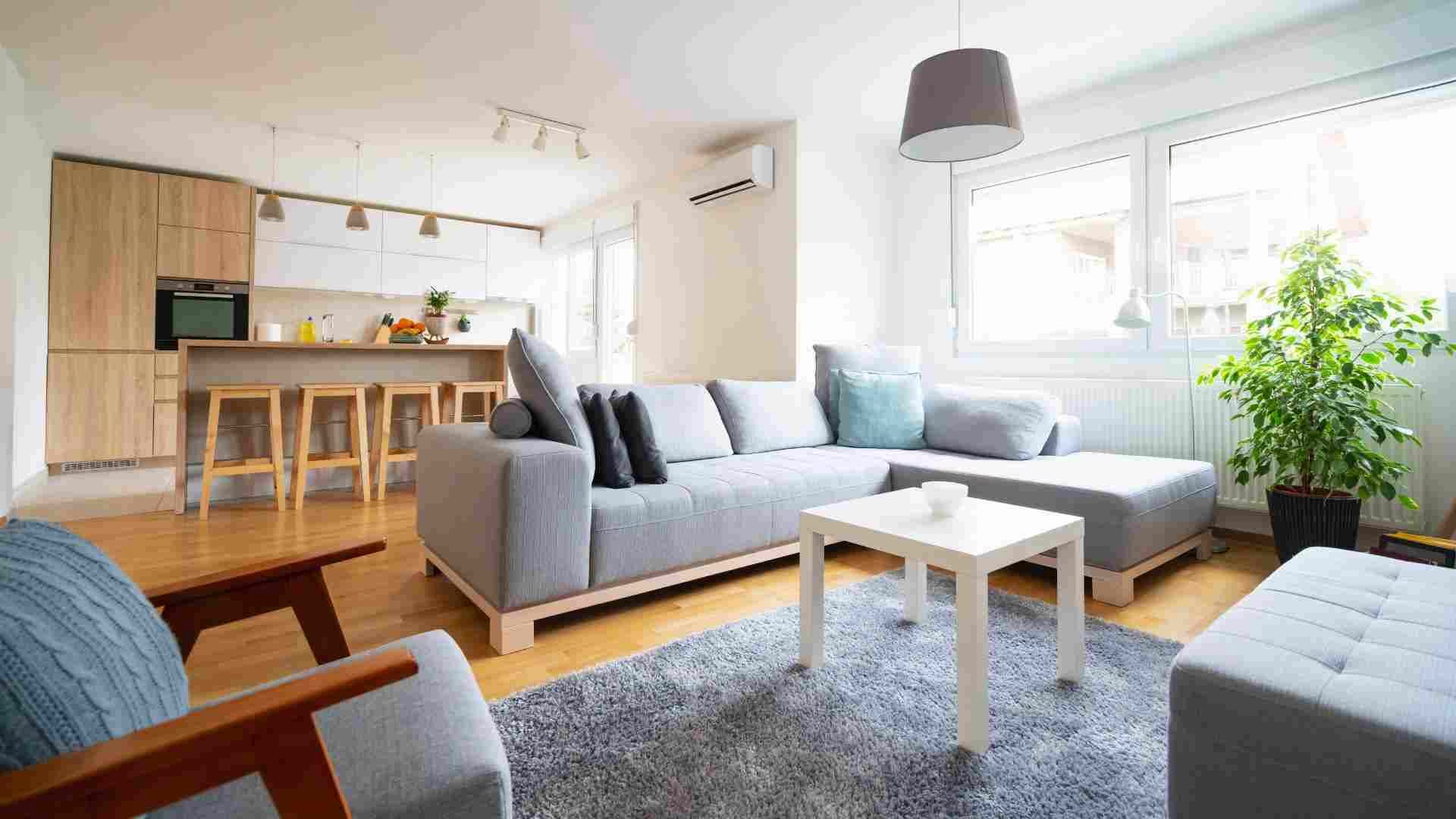
Living in a small home presents unique challenges when it comes to furnishing your space. Every square metre counts, and the wrong furniture can make a home feel cramped and cluttered. Choosing versatile pieces such as sofa beds or modular lounges for Perth homes is essential for maintaining a comfortable, organised, and visually appealing home. By understanding your space, prioritising multi-functional designs, and focusing on both style and practicality, these flexible pieces can help make small homes feel open, airy, and efficient.
Tips for Choosing Space-Saving Furniture for Small Homes
Understand Your Space Before Choosing Furniture
The first step in selecting space-saving furniture is to thoroughly understand the layout of your home. Measuring each room accurately ensures that furniture fits perfectly without blocking pathways or creating cramped areas.
Understanding your lifestyle ensures that the furniture you choose is practical and avoids unnecessary clutter. Avoid buying items solely because they look attractive or are trendy, as they may not suit your actual living needs.
Prioritise Multi-Functional Furniture
Multi-functional furniture is the backbone of small home solutions. Choosing dual-purpose designs such as sofa beds, extendable dining tables, or king-size beds with built-in storage allows a single piece to serve more than one function.
This maximises utility without occupying extra floor space, providing a practical and stylish solution for compact living. Transformable or foldable furniture is also an excellent option for homes with limited space. Items like foldable desks or convertible seating make it easy to reconfigure rooms for different activities without permanently compromising space.
Focus on Vertical Space Utilisation
Making the most of vertical space can dramatically increase the functionality of small homes. Wall-mounted furniture, such as shelves or vertical cabinets, frees up floor space while providing essential storage or work areas, keeping rooms open and uncluttered. These pieces allow for organised storage without reducing usable floor area and add height and visual interest to the room, enhancing both functionality and aesthetics.
Opt for Lightweight and Minimal Designs
In small homes, less is more. Bulky furniture can make rooms feel cramped, while lightweight and minimal designs create an open and airy atmosphere. Choosing pieces with clean lines, subtle shapes, and simple forms ensures that the furniture complements the space rather than overwhelms it. This approach helps in creating a visually balanced and inviting environment.
Consider Modular and Customisable Furniture
Modular furniture is highly versatile, allowing you to reconfigure pieces based on current needs. Whether it is a modular sofa, shelving unit or storage system, these options provide flexibility and adaptability. This furniture ensures that every item suits the dimensions of your home, making it a long-term investment that grows with your lifestyle.
Conclusion
Choosing the right space-saving furniture for small homes requires thoughtful planning and a focus on functionality. Prioritising multi-purpose pieces, using vertical space efficiently, incorporating built-in storage, and maintaining visual balance are key strategies.
By selecting durable, stylish and practical furniture, small homes can feel larger, more organised, and exceptionally comfortable, proving that even the most compact spaces can be both functional and aesthetically pleasing.
Frequently Asked Questions
What types of furniture work best for small homes?
Furniture that serves multiple functions, such as sofa beds, foldable tables, storage ottomans, and modular units, works best in small homes. These items maximise utility without taking up extra floor space.
Is modular furniture suitable for compact spaces?
Yes, modular furniture is ideal for compact spaces because it can be rearranged according to current needs. It adapts to changing requirements and ensures that every piece fits the dimensions of the home efficiently.
What design features make small rooms feel larger?
Lightweight furniture, minimal designs, clean lines, and reflective surfaces create an airy and spacious feel. Choosing items that do not overwhelm the room visually helps maintain balance and openness.
Why invest in durable furniture for small homes?
Durable furniture provides long-term value and reduces the need for frequent replacements. Quality materials also maintain the aesthetic and practicality of the home while supporting sustainable living choices.
Can transformable furniture be used for multiple activities?
Yes, foldable desks, extendable tables, and convertible seating allow rooms to be reconfigured easily. This makes it possible to use a single space for work, dining, or relaxation without compromising functionality.